By Joe and Mike, Easy Breezy Air Duct & Chimney Services
You light the kindling, step back, and the room fills with smoke instead of the flue taking it up and out. Sometimes it happens on the first fire of the season. Sometimes it happens every time you use the fireplace, or it shows up in a room where no fire is even lit.
Smoke in the house means the chimney isn’t moving the exhaust the way it should. The job is to find out why, not to keep waving a newspaper at the opening and hoping it clears.
A dirty or narrowed flue
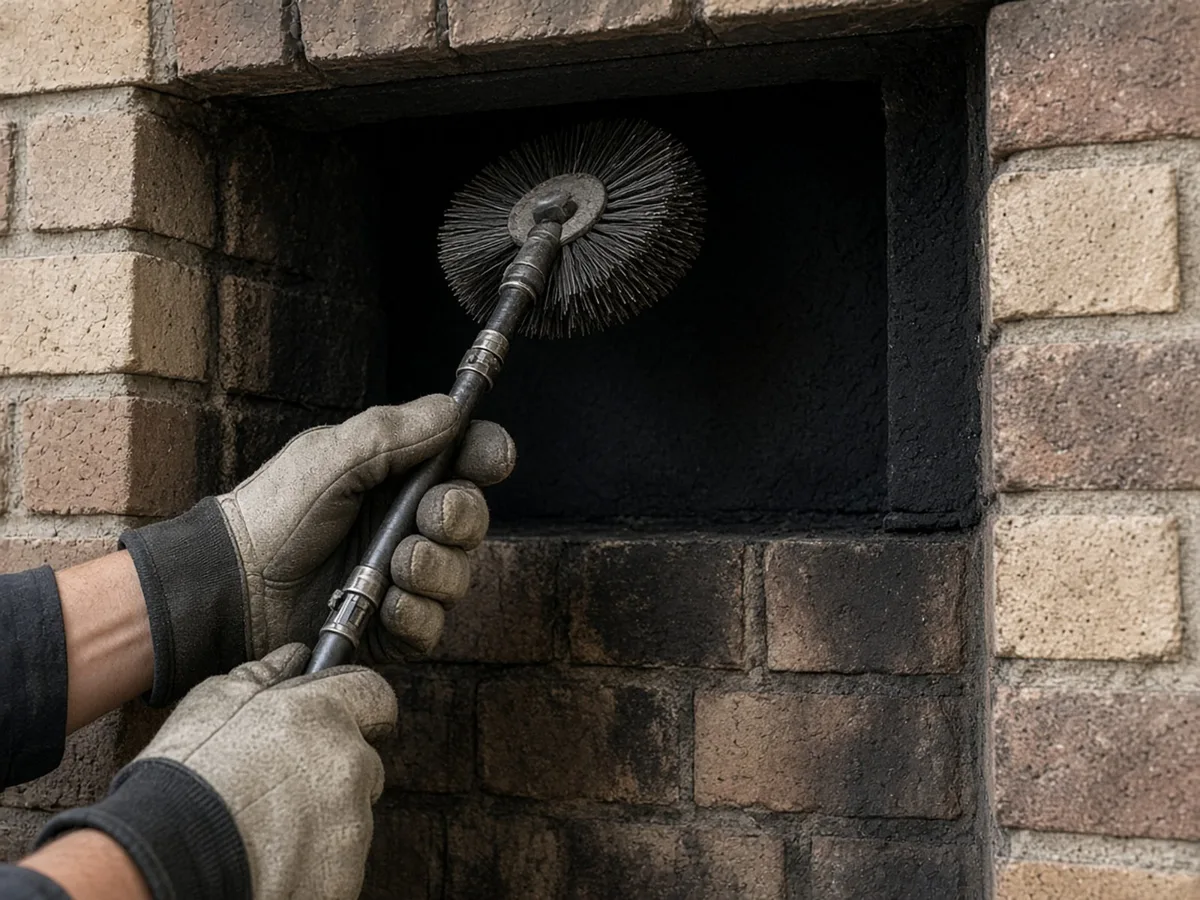
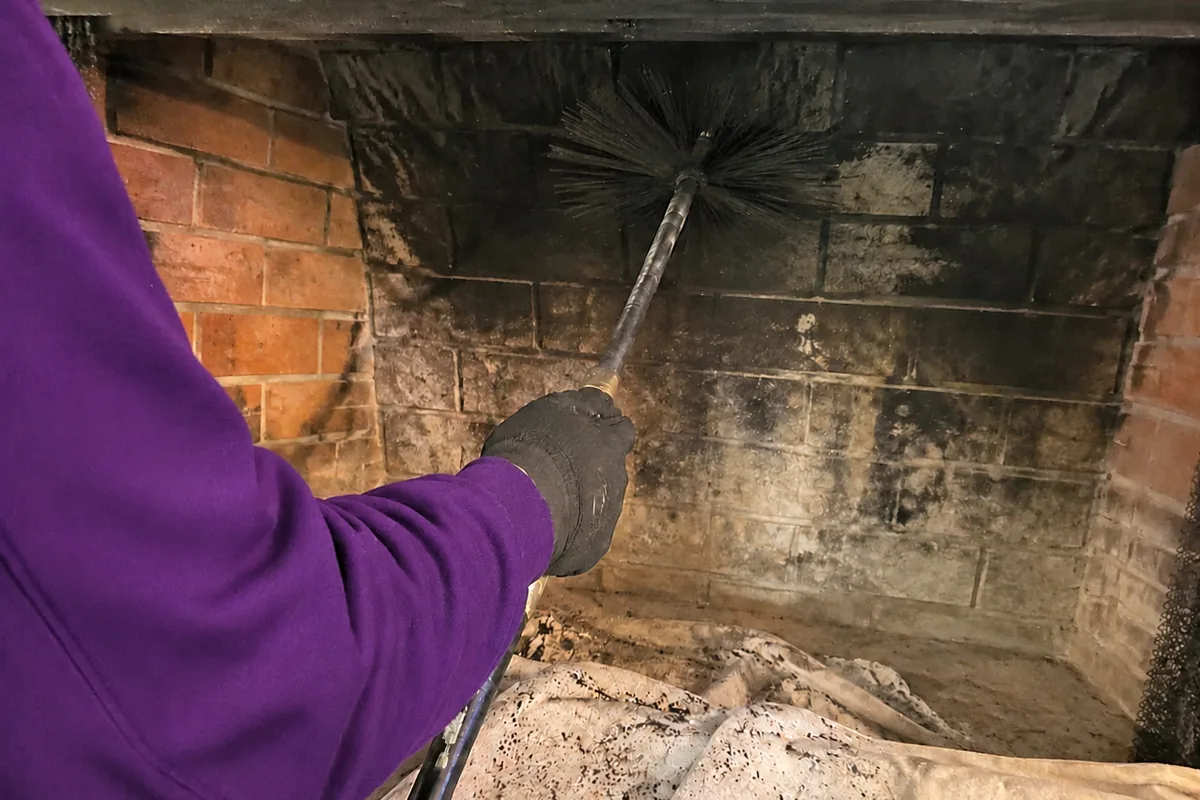
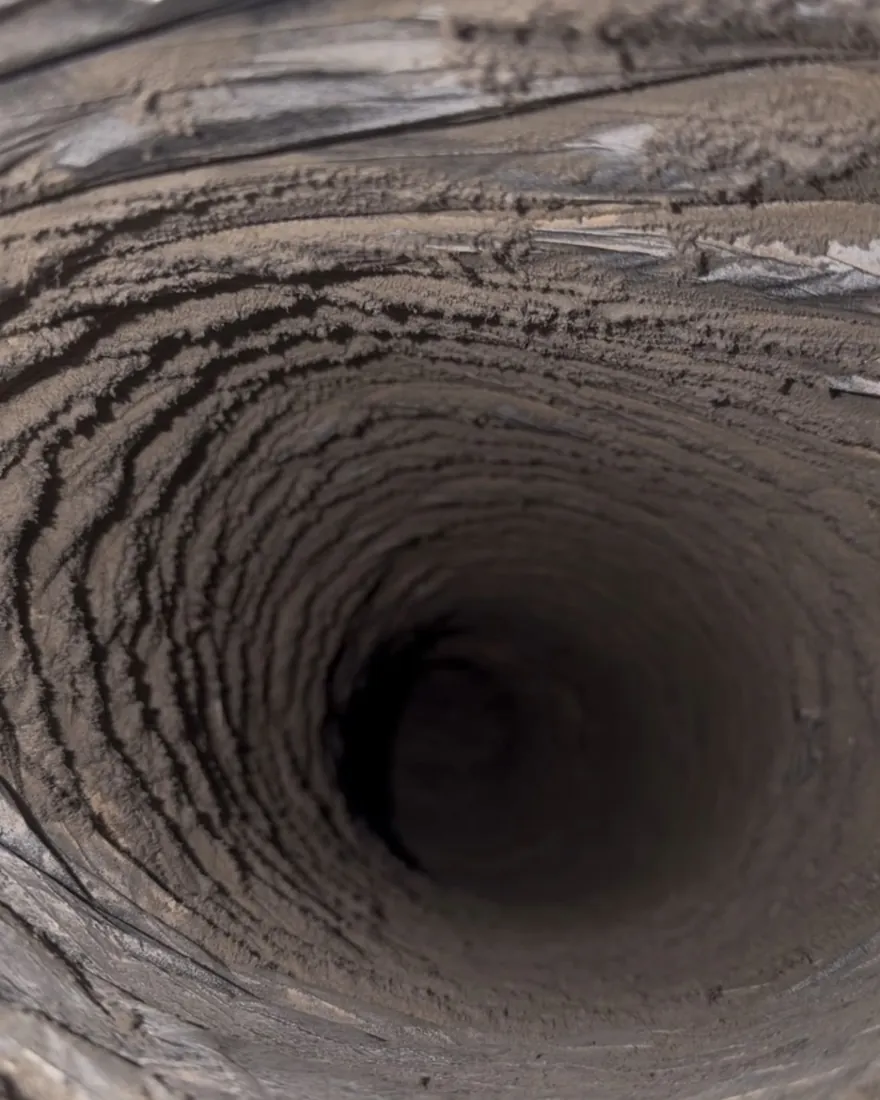
One of the most common reasons is a flue that can’t move smoke because something is in the way. Creosote and soot narrow the passage as they build. A flue that drafted fine last year can start pushing smoke into the room once that layer gets thick enough, or once sticky glaze roughs up the walls and slows the draft.
You can read what that buildup looks like, and when it should be swept, in our article on creosote buildup. You often can’t see the problem from the firebox. The restriction is usually higher up, in the smoke chamber and the flue.
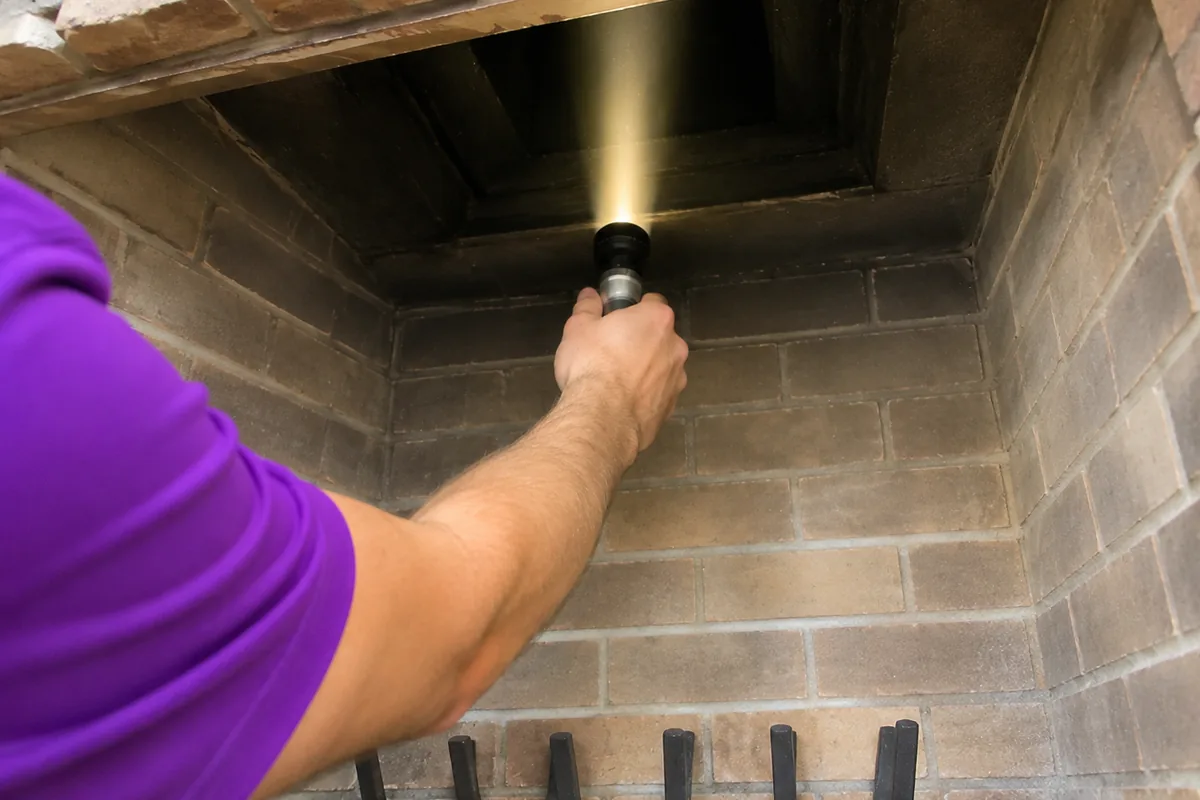
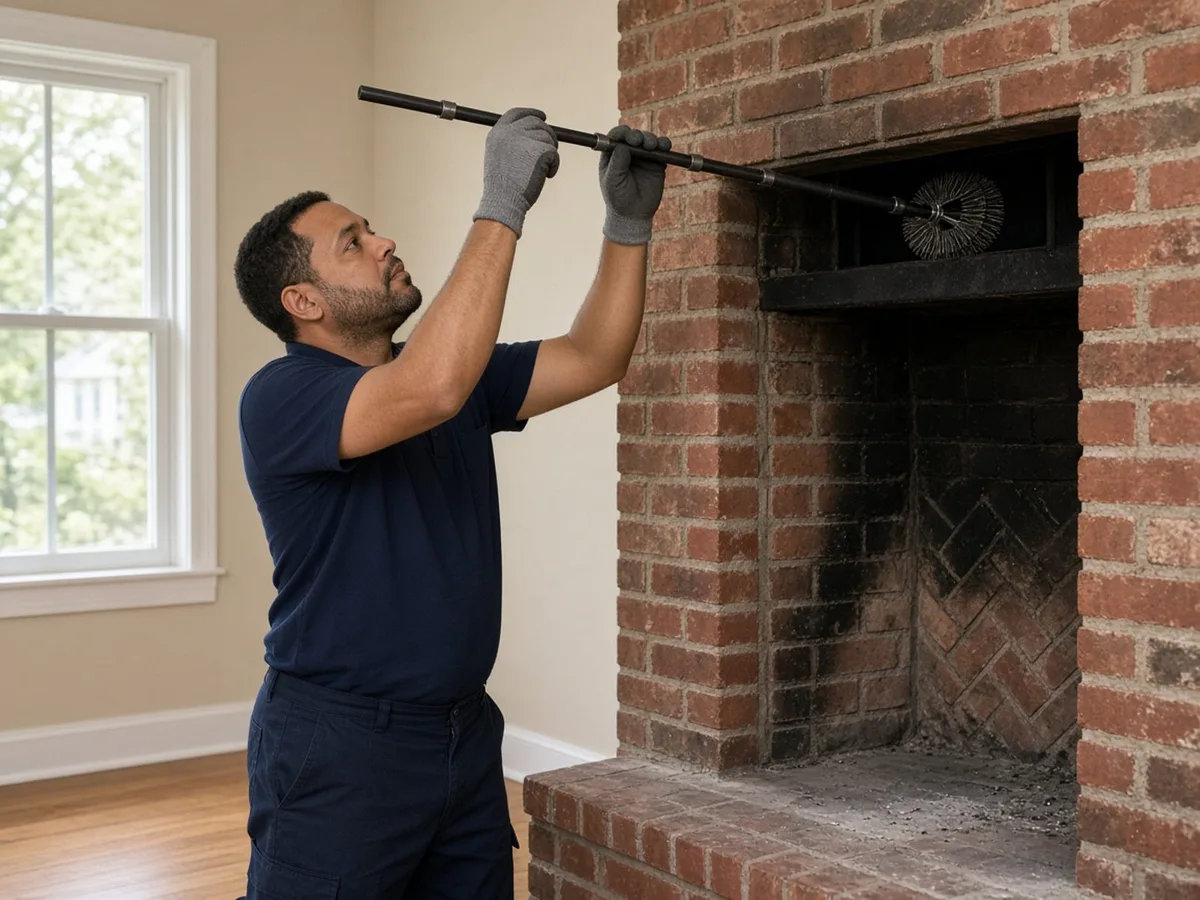
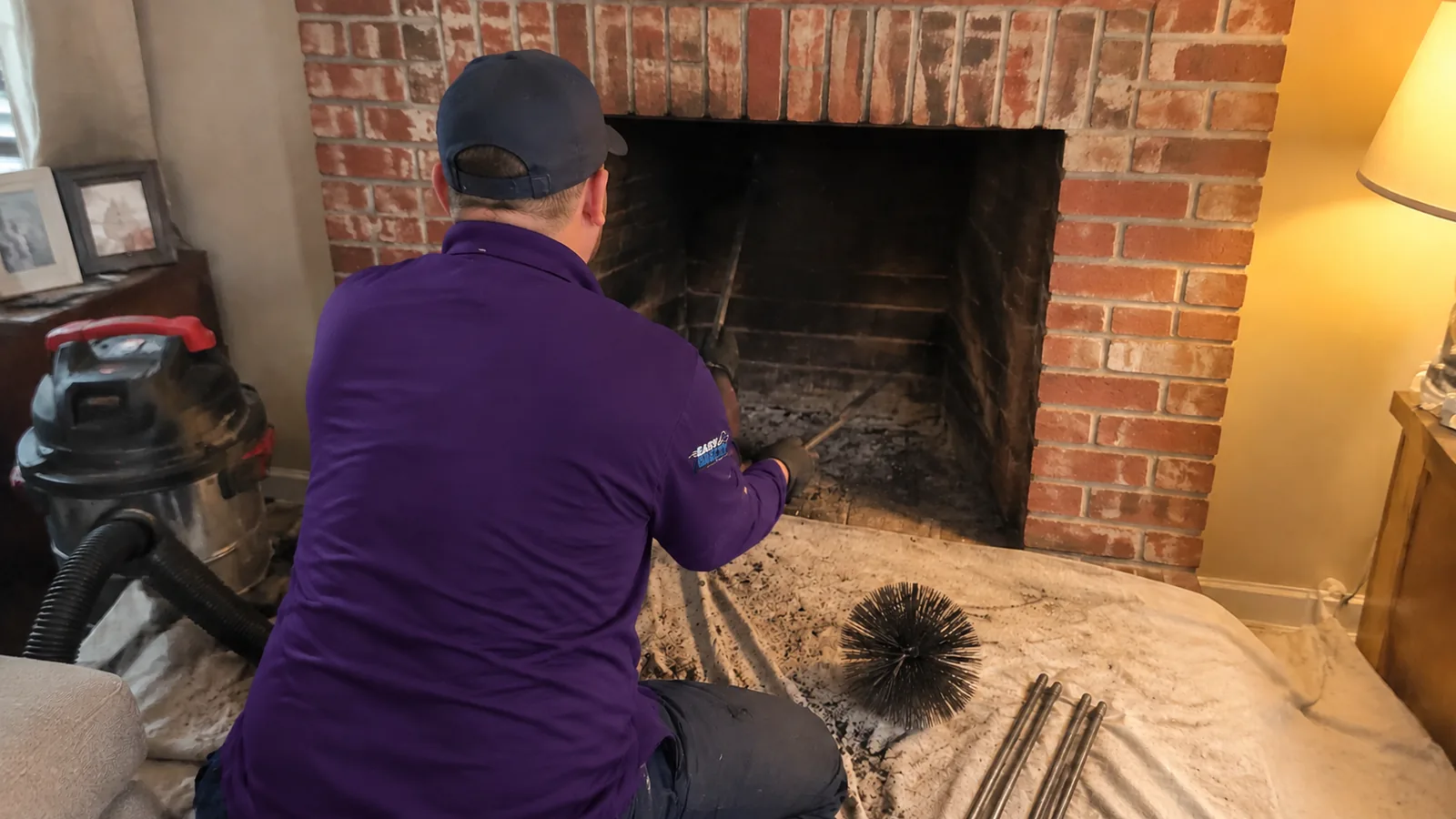
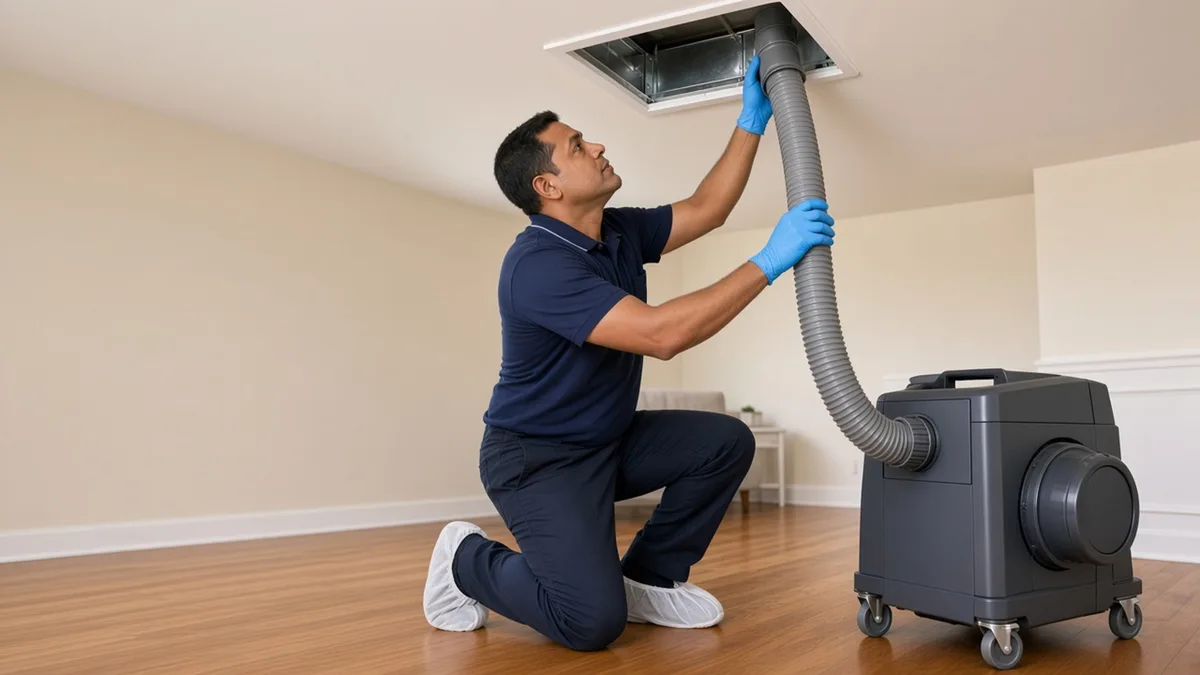
A chimney sweep that takes the soot and creosote out of the flue and smoke chamber is often what restores the draft. The technician looks the system over at the same time, then shows you the pictures and talks through what was in the way.
Nests, leaves, and other debris
Even a clean flue can smoke if the passage is blocked. Birds and animals nest in unused chimneys. Leaves and debris collect at the top. Even if you barely burn, have it looked at if it’s been a while, because nests and other debris can make a chimney unsafe.
A blockage like that can show up all at once. The fireplace worked in March, sat through a wet spring and summer, and the first fire in November has nowhere to go. If smoke pours back into the room the moment you light the kindling, don’t keep feeding the fire. Put it out and have someone look before you try again.
Wet wood and a cold start
Unseasoned or rain-soaked wood makes a cooler, dirtier fire. The smoke is heavier, and a cold flue is slow to start moving it. That’s a bad combination on a January night in this area, when the chimney has been sitting cold and the wood pile may have taken on winter rain.
This is most noticeable at the start of a fire. A cold masonry flue doesn’t draft well until it warms. If you pack the grate with wet logs and close the glass doors too soon, smoke that should be going up can spill into the room. Dry, well-seasoned kindling and a little patience at the start often help a lazy first draft. If the fireplace still smokes after the flue has had time to warm, the problem is probably not just a cold start.
Smoke from a fireplace you aren’t using
Sometimes the smoke isn’t coming from the fire you lit. It’s coming from a second fireplace, or from a flue you thought was idle. In tight, modernized houses, exhaust fans, a furnace, or a dryer can pull air from the living space, and an unused flue becomes a path for that air, and for smoke, to move between rooms.
If you have more than one fireplace, and smoke shows up in a room where no one lit a fire, say so when you call. Makeup air in the house, and whether another fan is running, are part of what the technician will want to know. He’ll look at both flues, not just the one you used.
Older chimneys in this area
A lot of the chimneys we see were built decades ago. Many DC homes are older, with original masonry chimneys. Age is not a diagnosis, and an older chimney can draft perfectly well. It is a reason to have the flue looked at when smoke starts coming into the house, rather than assuming the fireplace “just does that.”
If the technician sees a crack in the flue, or another problem that goes beyond dirt, he shows you what he found. He doesn’t leave you to guess why the smoke had somewhere else to go.
If a gas fireplace is smoking
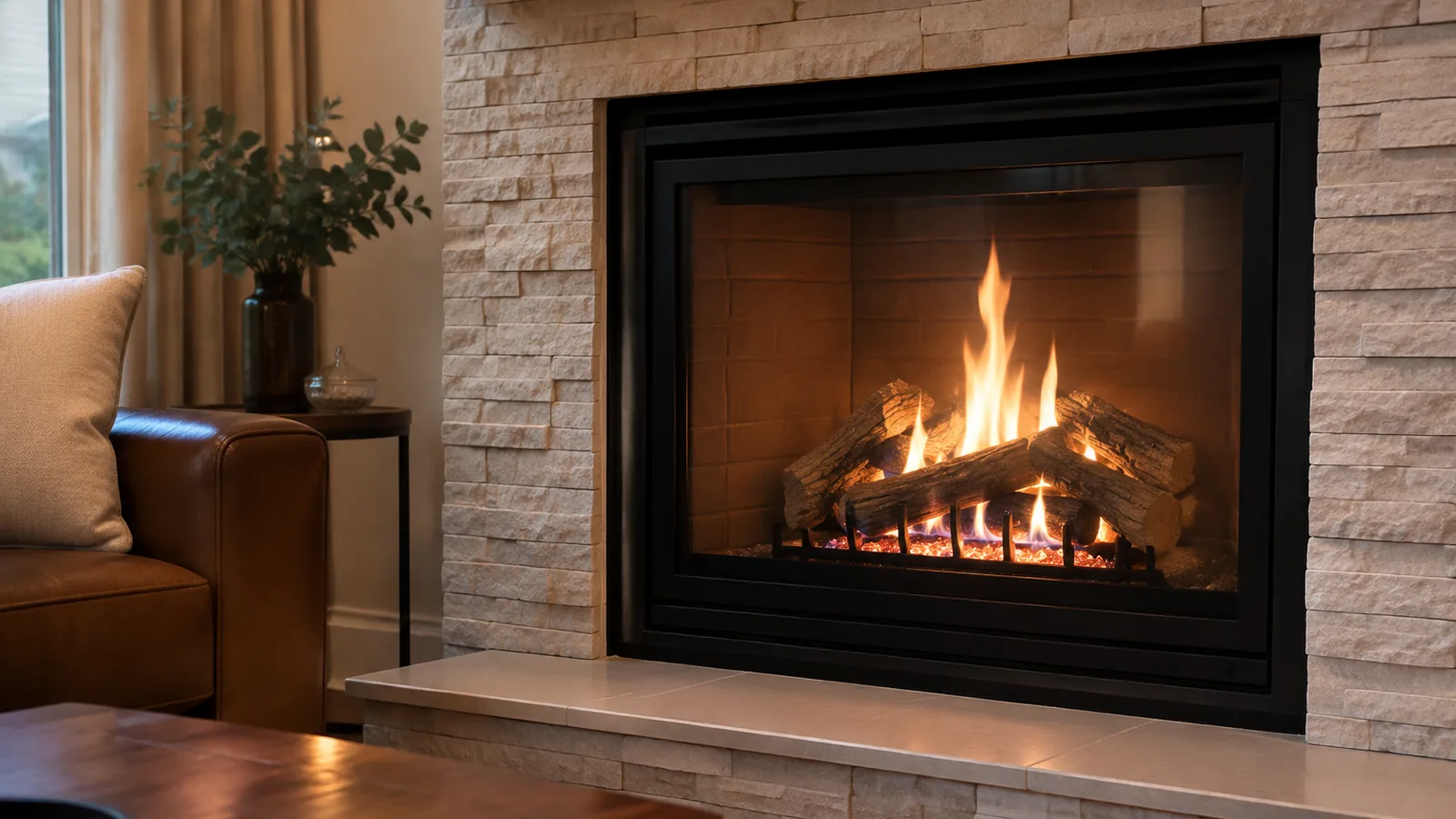
A gas fireplace shouldn’t pour smoke into the room the way a wood fire can. If you smell exhaust, see soot on the glass or around the opening, or notice fumes when the unit is on, stop using it and have it looked at. If a CO alarm sounds or you smell gas, get out and call 911 or your gas company from outside. Our gas fireplace cleaning visit covers the glass, the logs and embers, and the burner area, and it usually takes about an hour. The technician checks the vent too, the same check described on our chimney inspection page.
When to call
If smoke comes into the room more than once, or if it comes in heavily on the first try, don’t keep burning and hoping it clears. Put the fire out, air out the room, and call. We take these calls throughout Maryland, Washington, DC and Northern Virginia. Call 240-641-0770 for a free estimate.
Frequently asked questions
Why does my fireplace smoke when I first light it?
A cold flue is slow to start, especially on a winter morning or after the fireplace has sat unused. Wet or unseasoned wood makes that worse, because the smoke is cooler and heavier. Give the flue a chance to warm with dry kindling. If smoke keeps coming into the room after the fire has been going, the cause is probably farther up the chimney.
Why does smoke come from the fireplace I’m not using?
In a tight house, a running bath fan, dryer, or furnace can pull air from the living space. An unused flue can become the path that air, and smoke from a fire in another room, uses to move around. This shows up in homes with more than one fireplace. Tell the technician you have a second flue so he can look at both.
Can a dirty chimney make the fireplace smoke?
Yes. Soot and creosote narrow the flue and rough up the walls, which weakens the draft. A blockage from a nest or debris can stop the draft altogether. A sweep of the flue and smoke chamber is often what brings the draft back, and the technician can show you what was in the way.
My gas fireplace is putting fumes into the room. What should I do?
Stop using it and have it looked at. If a CO alarm sounds or you smell gas, get out and call 911 or your gas company from outside. A gas unit should not send exhaust back into the living space. The cleaning visit covers the glass, the logs and embers, and the burner area, and the venting should be checked at the same time.
Is smoke in the house always a blockage?
No. A blocked or dirty flue is a common cause, but it isn’t the only one. A cold start, wet wood, or pressure in a tight house can also push smoke into the room. That’s why the technician asks how the smoke showed up, and looks at the whole system, instead of assuming one cause.
Should I keep burning if the fireplace is smoking?
No. Put the fire out and air out the room. Smoke in the house is exhaust that didn’t leave the way it should. Have the chimney looked at before you light it again.