You can choose which optional cookies we may use. Essential cookies cannot be disabled because they are necessary for the website to function and remain secure.
These cookies support core website functions, security, form submission, fraud prevention, and your privacy preferences. They do not require consent and cannot be disabled through this tool.
These cookies help us understand how visitors use the website, such as which pages are visited and whether technical problems occur. We use this information to measure and improve website performance.
These cookies and similar technologies may be used to measure advertising performance, understand whether advertisements lead to website visits or inquiries, and deliver or personalize advertising. Information may be disclosed to advertising and analytics providers.
[Off/On]
—————————————————————————————————————————
We use essential cookies to operate and secure this website. With your permission, we may also use analytics and advertising cookies to understand website activity, measure advertising performance, and improve our services. Some of these technologies may share information with third-party providers.
Select Accept All, Reject Non-Essential, or Manage Preferences. You can change your choice at any time through the Cookie Preferences link in the website footer.

cleaned HVAC systems
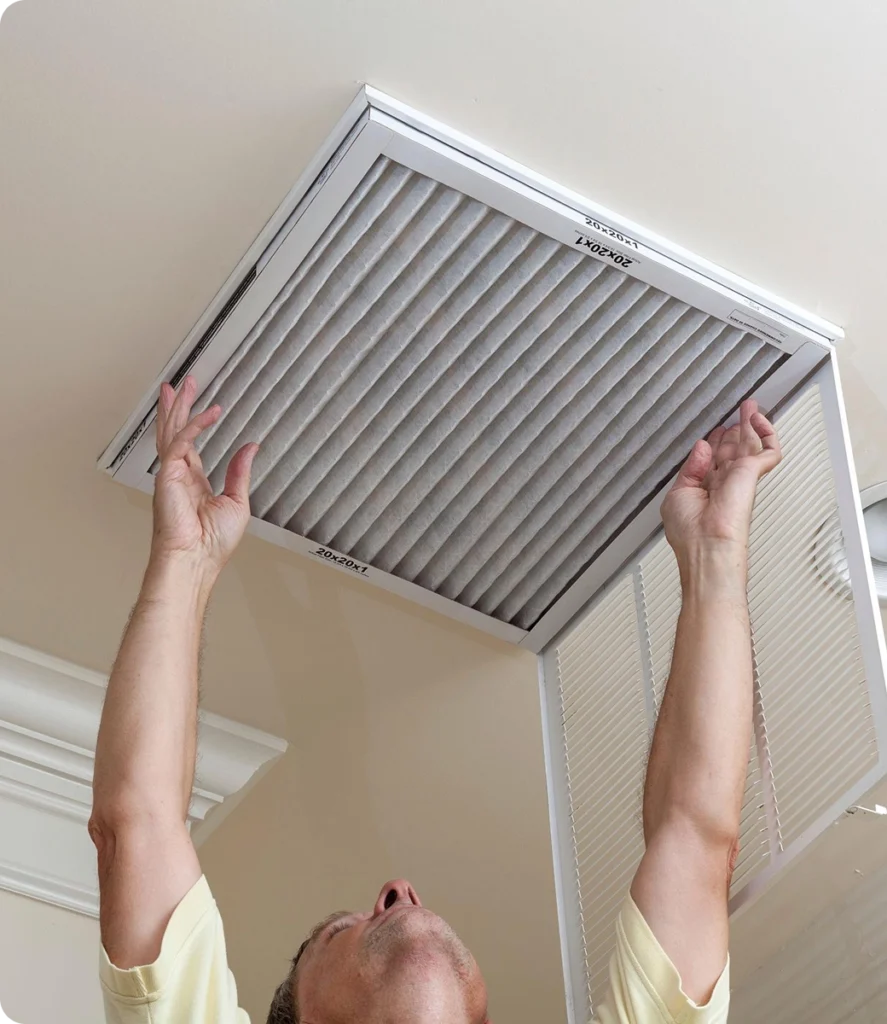
A study published in 2025 found that cleaned HVAC systems used 41–60% less fan and blower energy, with one exception, compared with uncleaned systems.
cleaned HVAC systems
Dust buildup on HVAC cooling coils forms an insulating layer that interferes with heat transfer. Your air conditioner can run longer to reach the same temperature—using more electricity and costing you more.
cleaned HVAC systems
Clothes dryers were involved in an estimated 5,100 residential fires annually during 2020–2022, according to CPSC’s April 2026 report.
cleaned HVAC systems
Lint buildup can choke your dryer’s airflow, trap excessive heat, and lead to a fire.
cleaned HVAC systems
Flexible plastic and foil accordion ducts can trap lint, crush, or kink—restricting the airflow your dryer needs.
cleaned HVAC systems
Longer drying times can signal a blocked lint screen or exhaust duct.
cleaned HVAC systems
Fireplaces and chimneys were involved in approximately 15,400 residential fires annually during 2020–2022, according to CPSC.
cleaned HVAC systems
Blocked or defective venting from fuel-burning heating systems can cause carbon monoxide poisoning.
cleaned HVAC systems
Some chimney fires burn quietly, leaving hidden damage that is discovered during an inspection.
cleaned HVAC systems
Contaminated central air systems can support mold and mildew growth and distribute biological contaminants through your home.